
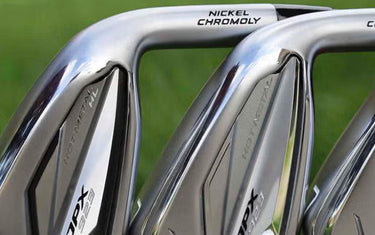
Golfers of all skill levels are often confronted with a variety of terms when choosing clubs, and “forged” is one that comes up frequently. Understanding what forged golf irons are and how they differ from other types of irons, can significantly influence your performance on the course. This guide explores the meaning of forged irons, the benefits and considerations of using them, and how to determine if they’re the right fit for your game.
The Forging Process Explained
At its core, a forged golf iron is created through a process that involves shaping a solid piece of metal, typically a soft carbon steel, under high heat and pressure. Unlike cast irons, which are made by pouring molten metal into molds, forged irons are hammered into shape. This method results in a denser and more uniform clubhead, which many players find enhances feel and control.
The forging process allows manufacturers to fine-tune the club’s design with precision. Even subtle changes to the weight distribution, face thickness, and hosel can affect ball flight, spin, and shot shaping. Because of this craftsmanship, forged irons are often associated with higher-end or performance-focused golf clubs.
Feel and Feedback: Why Golfers Prefer Forged Irons
One of the standout features of forged irons is the feedback they provide. Because the metal is denser and more responsive, players can feel the quality of contact with each shot. This immediate feedback helps golfers understand their swing mechanics better and make quick adjustments.
For experienced players, this can be a significant advantage. The feel of a perfectly struck shot with a forged iron is often described as softer or more buttery compared to the sometimes hollow sensation of cast irons. The added sensitivity allows better control over trajectory and spin, which can be crucial when approaching the green.
Forged vs. Cast: What’s the Difference?
To fully grasp what “forged” means, it’s important to compare it to the other main manufacturing process in golf irons: casting. Cast irons are made by pouring molten metal into a mold, which allows for more complex shapes and perimeter weighting. This process often results in a larger sweet spot and increased forgiveness on off-center hits, making cast irons popular among beginners and high-handicap golfers.
Forged irons, on the other hand, usually have a smaller sweet spot. This means they demand more consistent and precise ball-striking, which is why they are often preferred by skilled players seeking better feel and control. While cast irons may help minimize mishits, forged irons reward precision and technique, offering a more refined playing experience.
Performance Benefits of Forged Irons
Forged irons can offer several key performance benefits for golfers who can take full advantage of them:
- Precision and Control: The dense, uniform metal allows for better shaping of shots, whether you’re hitting a high fade or a low draw.
- Consistency: The forging process reduces micro imperfections in the metal, leading to predictable ball flight.
- Spin Control: Skilled players can generate more spin, particularly on approach shots, which helps stop the ball quickly on the green.
- Enhanced Feedback: The feel of the club lets golfers quickly sense if they struck the ball well, promoting faster improvement.
It’s important to note that these benefits are most apparent to players with established swings and good mechanics. For beginners or those still learning consistency, the advantages of forged irons might be less noticeable.
Considerations When Choosing Forged Irons
While forged irons offer several performance benefits, there are a few factors to consider before investing:
- Skill Level: Forged irons tend to be less forgiving on mishits, so they are better suited to intermediate and advanced golfers.
- Cost: Forged irons generally come at a premium due to the craftsmanship involved. While the investment can be worthwhile for performance-focused players, it may not be necessary for casual golfers.
- Feel vs. Distance: Some golfers may notice slightly less distance compared to game-improvement cast irons, as forged irons prioritize precision over raw power.
By understanding these factors, you can make a more informed decision about whether forged irons complement your game style and goals.
Popular Forged Iron Options
Many leading brands offer forged irons designed for a variety of skill levels. Players looking for top performance often consider forged models from brands such as Titleist, Mizuno, TaylorMade, and Callaway. Each brand has its own approach to balance, forgiveness, and feel, allowing golfers to find a set that matches their swing and playing style.
For example, Mizuno’s JPX and MP series are renowned for their soft feel and consistent feedback, while Titleist’s 620 and 680 forged irons are engineered to provide precision control and shot-shaping capability. For golfers seeking a combination of modern technology and traditional forging craftsmanship, these options deliver exceptional performance.
Who Should Play Forged Irons?
Forged irons are best suited for golfers who prioritize control, feel, and shot-shaping ability over maximum forgiveness. Advanced players, low handicappers, and aspiring professionals will benefit most from the precision and responsiveness that forged irons provide. That said, players looking to improve their ball-striking and develop consistency may also find forged irons rewarding once their swing mechanics are solid.
It’s worth testing several models to see which forged irons feel most comfortable. Many golf stores and pro shops offer fitting sessions where you can compare forged and cast irons side by side to experience the difference firsthand.
Making the Choice: Are Forged Irons Right for You?
Understanding what forged golf irons mean is more than just knowing the manufacturing process, it’s about recognizing the performance characteristics and benefits that come with this level of craftsmanship. Forged irons provide enhanced feel, precision, and feedback, making them a favorite among skilled golfers seeking refined control over their shots.
If you’re considering upgrading your irons, exploring forged options could be the next step in elevating your game. Whether you’re drawn to the responsive feel, the precision in shot-making, or the craftsmanship behind each club, forged irons offer a unique playing experience that can transform the way you approach the game.
Ready to experience the feel of forged irons for yourself? Explore our used golf irons collection or discover the latest forged golf irons from top brands. Take the next step in improving your game with precision and control today.
Frequently Asked Questions About Forged Golf Irons
What does forged mean in golf irons?
As we’ve discussed, forged irons are made by shaping a solid piece of metal under high heat and pressure, creating a denser, more uniform clubhead. This gives golfers enhanced feel and precision.
How do forged irons compare to cast irons?
While forged irons offer superior feedback, precision, and shot control, cast irons are generally more forgiving and easier to hit for beginners. If you’re looking for performance-focused clubs, explore our NZ golf iron collection which includes forged options that prioritize control and consistency.
Who tends to benefit most from forged irons?
Forged irons are ideal for intermediate and advanced golfers who value control, shot-shaping ability, and feedback on every swing. Players still building consistency may find our game-improvement irons a better fit.
Can beginners use forged irons?
Yes, but they require more consistent ball-striking because of the smaller sweet spot. Beginners might benefit from starting with forgivable irons while gradually transitioning to forged options as their technique improves.
How do forged irons affect shot control and feel?
Forged irons provide responsive feedback, allowing golfers to fine-tune trajectory and spin for approach shots and around the greens.
Are forged irons more expensive than other types?
Typically, yes. The forging process requires craftsmanship and high-quality materials, which is reflected in the price. Many golfers consider it a worthwhile investment for improved feel and performance.