
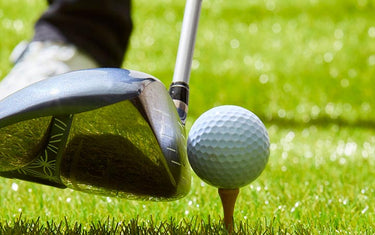
Choosing the right shaft flex is one of the most influential, yet often misunderstood parts of selecting a golf club. While most golfers focus on the brand, model, loft, or even looks of a club, the shaft is the true engine of performance. It determines how the club loads, unloads, and ultimately delivers the face to the ball. When the shaft flex is matched to your swing, everything feels easier: the ball launches higher, your timing feels natural, and distance comes with less effort. But when the flex is wrong, even the best clubhead can perform poorly.
At ARC Golf, we’ve seen this first-hand through thousands of used drivers, iron sets, fairway woods, and hybrids passing through our hands every year. Many Kiwi golfers unknowingly play a shaft that’s either too stiff or too soft for their swing. This creates ball flights that fight against their natural motion, costing them accuracy and distance. This guide breaks down the real differences between stiff and regular flex shafts, explains who each type is suited for, and gives you practical advice grounded in real-world experience –not just theory.
Understanding Shaft Flex and Why It Matters
Shaft flex refers to how much the shaft bends during the swing. Every golfer, regardless of handicap or experience level, loads the shaft differently based on their swing speed, tempo, transition, and release. A shaft that bends the right amount helps square the clubface, optimise launch and spin, and stabilise your strike. Too much bend, and the timing becomes unpredictable. Too little bend, and the swing feels like you’re fighting the club from start to finish.
While golfers often think of shaft flex as a simple “R vs S” choice, the reality is much more nuanced. Regular shafts are designed to offer a blend of forgiveness and dynamic movement, making them easier for players with moderate speed or smoother tempo to control. Stiff shafts, by contrast, resist excessive bending and provide added stability for faster, more aggressive swings. The ideal flex is determined not just by how fast you swing, but how you swing.
The Real Difference Between Stiff vs Regular Flex Golf Shafts
The difference between stiff and regular flex is not simply a matter of strength or skill level, it’s a matter of how the shaft reacts to the forces you generate.
A regular flex shaft tends to promote a slightly higher launch and more natural clubface closure. Golfers who swing with a smoother rhythm often find that regular flex gives them better timing and feel. On the other hand, a stiff flex shaft offers a firmer, more controlled sensation, reducing the tendency for the shaft to over-bend during the transition. This makes it ideal for golfers who hit the ball with authority or have a quicker, more forceful downswing.
These differences show up in measurable ways on the course. Regular shafts usually produce a higher trajectory, a touch more spin, and can help players square the face more easily especially if they struggle with a fade or slice. Stiff shafts are engineered to keep the ball flight more penetrating, reduce excessive spin, and tighten dispersion, especially when swing speeds exceed around 95 mph (roughly 200–230m of driver carry for many golfers).
Who Is Best Suited to a Regular Flex Shaft?
Regular flex shafts are typically favoured by beginners, high handicappers, and golfers who produce moderate swing speed. But the real indicator is not your handicap, it's your ability to generate energy smoothly rather than aggressively.
If your driver carry sits in the 180–210m range, or if you find that you naturally swing with a relaxed, flowing tempo, regular flex often provides the ideal blend of feel, control, and forgiveness. Many golfers who are still developing consistency also benefit from the added help regular flex gives in squaring the clubface at impact. This can reduce the severity of a fade or slice and lead to more centred contact, which is far more valuable than chasing speed or distance prematurely.
Regular flex shafts also pair beautifully with certain clubhead designs, particularly game-improvement drivers, hybrids, and irons.
Who Should Choose a Stiff Flex Shaft?
Stiff flex shafts are designed for golfers who generate more speed, hit with stronger intent, or have a more decisive transition from backswing to downswing. These players often carry their driver in excess of 210–230m, produce a more penetrating flight, and may struggle with hooks or overly high spin if the shaft is too soft.
A stiff flex shaft keeps the club face more stable during the swing, which is essential for players with fast hands or a powerful pivot. If you often feel like the club “whips” too much at the top of your swing or you lose shots left due to over-bending, moving into a stiff flex can immediately calm down your dispersion.
Mid-handicap and even high-handicap golfers sometimes underestimate how much tempo influences this decision. You don’t need to be a low-handicap golfer to benefit from a stiff shaft, many golfers with athletic builds or naturally assertive swings find they play better golf with the added resistance of a stiffer profile.
What Happens When You Use the Wrong Shaft Flex?
This is where many golfers unknowingly lose strokes.
A shaft that is too stiff typically leads to low, weak ball flights. Because the shaft isn’t loading enough, the golfer struggles to square the clubface, often resulting in a block or fade. The feel becomes harsher, and the club tends to work against the golfer’s natural rhythm.
Conversely, a shaft that is too soft can create the opposite problem. Excessive bending makes timing unpredictable, which often leads to hooks or an overly high, ballooning ball flight. The clubface may close too quickly, and the golfer has difficulty controlling the strike.
Both scenarios lead to inconsistent results but more importantly, they undermine your confidence. Golfers often try to fix these issues with swing changes when the real solution is simply a better-matched shaft.
How to Work Out Your Ideal Shaft Flex Without a Professional Fitting
While a full club fitting is always the most precise option, many golfers can get remarkably close to their ideal shaft flex through self-assessment.
Start by being honest about your typical driver carry distance, as it remains the simplest proxy for swing speed. Golfers carrying under around 200 metres will usually fit better into regular, while those pushing closer to 220 metres or more will generally find a stiff flex more suitable.
Your tempo also matters significantly. A smooth, patient swing works harmoniously with a regular shaft, while a quick transition benefits from the added stability of a stiff flex. Think of the shaft as something that should support your natural motion and not fight against it.
Your typical miss can also be revealing. Persistent slices often indicate a shaft that is too stiff, while pulls and hooks may suggest that the shaft is too soft.
Flex Differences Across Drivers, Fairway Woods, Hybrids, and Irons
Shaft flex plays a different role depending on the type of club.
In drivers, it has the greatest effect on launch and spin. A driver shaft that suits your swing can instantly add metres simply by optimising trajectory and reducing mishits. If you’re currently unsure about your flex, this is the best place to start exploring options in our used drivers category.
Fairway woods respond slightly differently because of their longer shafts and the interaction with turf. The right flex helps you achieve consistent launch off both the tee and the deck. Our used fairway woodspage includes a range of flexes suitable for all swing types.
Hybrids, being shorter and more iron-like, can exaggerate the feel of a mismatched shaft. If your hybrids feel unstable or too stiff, the rest of your set may need re-evaluating. You can find a range of options in our second hand golf hybrids collection.
Iron shafts, whether steel or graphite, differ from woods in weight, torque, and bend profile. Matching your iron flex to your swing is essential, especially if you rely on consistency and predictable distance gaps. Our used golf iron sets category includes both steel and graphite options suited to regular and stiff flex profiles.
Material Matters: Graphite vs Steel Flex Differences
Flex also behaves differently depending on whether the shaft is steel or graphite. Graphite tends to have a slightly softer, more responsive feel, making it popular among players seeking easier launch or more distance. Steel, by contrast, offers a firmer sensation with greater control and feedback. Many golfers use stiff graphite in woods but regular steel in irons, or vice versa, depending on their unique swing characteristics.
Which Brands Offer the Most Consistent Shaft Flex?
Brand variations can also influence feel. Some manufacturers design their shafts with firmer baselines, while others produce slightly softer profiles.
Brands such as TaylorMade, Titleist, Mizuno, and Ping offer some of the most reliable and consistent flex designs across their product ranges. Callaway while extremely popular and high-performing, often trend slightly softer in feel. This doesn’t make them any better or worse, just important to consider when matching your flex.
Finding the Right Flex for Real Performance Gains
Selecting between stiff and regular flex doesn’t need to be complicated. The right choice is the one that enhances your natural swing rather than forcing you to adjust to the club. Regular flex suits players with moderate speed or smoother tempo, providing a blend of forgiveness and natural timing. Stiff flex suits faster, more aggressive swingers who need added control and stability.
If you’re unsure, starting with regular flex is typically the safest and most forgiving option. Because ARC Golf offers such a wide selection ofquality used golf clubs in NZ, experimenting is more affordable than ever.