
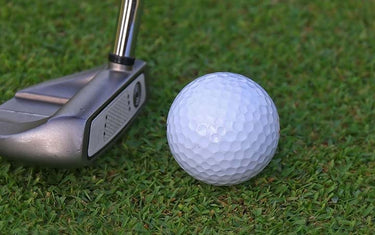
Understanding the Role of Shaft Stiffness in Putters
When golfers see the term “stiff,” it’s easy to assume it refers to the putter head, but in reality it relates to the shaft. Unlike drivers and irons, where shaft flex significantly influences launch and distance, putters experience almost no shaft load during the stroke. That’s why most putters come with a stiff shaft by default, it keeps the club stable through impact, prevents unnecessary twisting, and gives the golfer a more predictable feel.
For beginners, this is a hidden advantage. A stiff putter shaft effectively removes a potential variable from your putting motion, allowing you to focus entirely on developing a consistent strike and smoother tempo. If you’re exploring which designs feel most comfortable, browsing our range of used golf putters can help you compare different models without committing to brand-new equipment.
Blade Putters: Traditional Feel with Less Forgiveness
Blade putters are the classic shape most golfers recognise immediately. Slim, compact, and built for precision, they appeal to players who value feel and connection with the ball. Skilled golfers often favour blades because the feedback is immediate, you know straight away whether you’ve struck the ball cleanly or missed the centre.
However, this sensitivity is part of what makes blade putters more challenging for beginners. With less perimeter weighting and a smaller sweet spot, any slight mishit can cause the face to rotate and push the ball offline. For new golfers still working on maintaining a stable stroke, this lack of forgiveness can slow progress.
That said, some beginners find they naturally prefer the cleaner look and lighter profile of a blade. If a traditional shape appeals to you visually, a good way is to find one that matches your stroke style and comfort level.
Mallet Putters: Maximum Stability and Beginner-Friendly Design
Mallet putters have surged in popularity because they deliver exactly what many golfers –especially beginners need: stability, alignment assistance, and forgiveness. Their larger footprint allows designers to move weight around the perimeter, dramatically increasing MOI (moment of inertia). This helps the face stay square even on off-centre strikes, protecting beginners from the inconsistencies that come with a developing stroke.
Many mallets also include alignment features that make aiming easier. These visual guides help golfers set up consistently and start putts on the correct line more often. The slightly heavier feel can also promote a smoother, pendulum-like motion, reducing the tendency to jab or manipulate the club through impact. If you’re prioritising confidence, consistency, and a gentler learning curve, mallet putters will quickly show why this style is recommended for most new players.
Which Putter Style Is Best for a Beginner? Blade vs Mallet Putters?
While every golfer has different tendencies and preferences, beginners usually benefit most from the stability and alignment support offered by mallet putters. They require fewer perfect mechanics to produce a reliable roll, and the forgiveness built into the head design helps compensate for early-stage inconsistencies.
That doesn’t mean blades are off-limits. If a golfer feels naturally comfortable with the compact shape, or prefers more arc in their stroke, a blade can still be a great match. The key is to choose a putter that feels intuitive at address and gives you enough confidence to make a smooth stroke. Testing different designs especially within a varied selection of used putters in NZ, is the best way to find the right fit.
If beginners are upgrading more than just their putter, exploring a wider range of beginner-friendly golf clubs such as golf drivers, golf irons and wedges can help create a more consistent feel throughout the bag. But when it comes to putting specifically, a forgiving, alignment-friendly mallet is often the most supportive choice for learning the fundamentals and building confidence on the greens.